

By: Nicholas Byczynski - Director of Building Services, UAE & Rohan Chandavarkar - Senior Associate, UAE
Date Published: December 26, 2025
From Internet of Things sensors to AI-driven automation, these technologies are becoming standard requests in new developments. But what does “smart” really mean beyond the hype? Is it a fundamental shift in how we interact with our built environment?
The truth is, a smart building is defined not by its technology, but by its outcomes. The shift from being “tech-enabled” to “truly smart” happens when technology is purpose-driven, delivering on specific goals like enhancing user experience, streamlining operations, or improving sustainability.
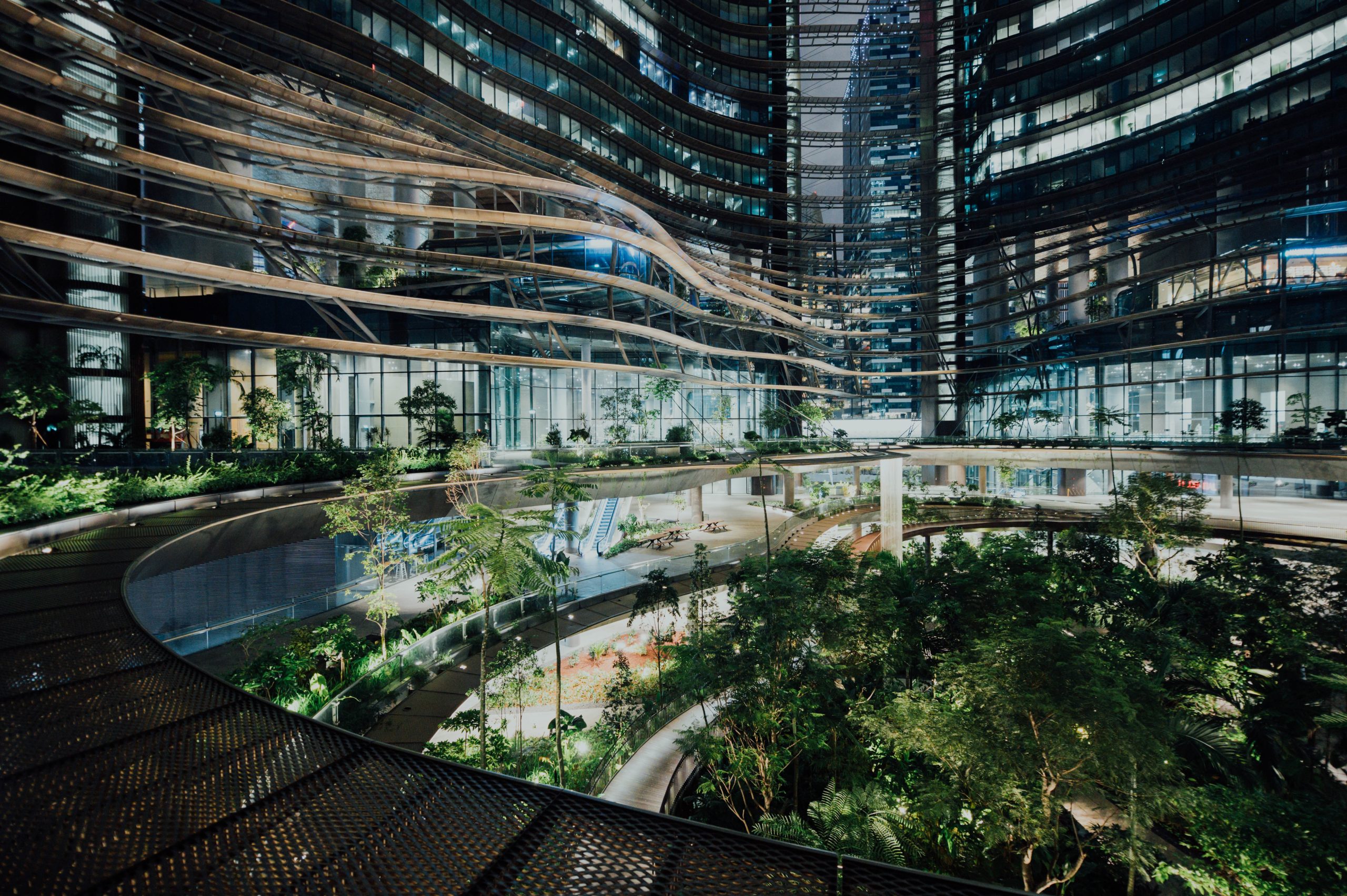
The push for smarter buildings is being driven by powerful, converging global trends.
1. Technological Disruption:
Technology is reshaping every industry, and the built environment is no exception. With the cost of cloud computing and IoT sensors falling, what was once cutting-edge is now readily accessible.
This has led to a fundamental shift where the value is increasingly in software and data, transforming how buildings are managed and experienced.
2. Urbanisation and Climate Change:
These two challenges are deeply intertwined.
With buildings accounting for roughly 40% of global CO2 emissions and over 60% of the world’s population expected to live in cities by 2030, the pressure is on.
Building owners must manage assets more efficiently, optimise energy consumption, and meet stringent ESG goals.

3. Evolving Human Expectations:
The pandemic permanently altered our relationship with space. The office, for instance, has evolved from a place of individual work to a hub for collaboration.
Smart technology is key to creating healthier, safer, and more productive environments that meet these new demands.
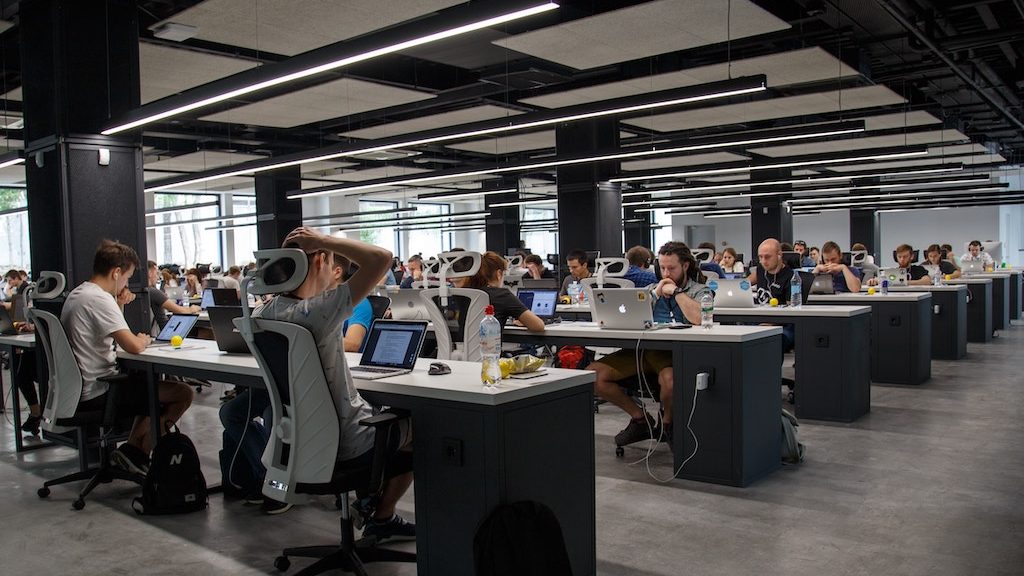
In short, we need smart building solutions because the way we build, operate, and occupy our spaces has fundamentally changed, and legacy approaches are no longer sufficient.
A common pitfall is jumping straight to technology. The most effective smart building strategies begin by focusing on the ‘who’ before the ‘what’.
Creating a smart building requires an ecosystem of stakeholders, not just a single technology vendor. A successful strategy starts by identifying all stakeholders; from occupants and facilities managers to tenants and understanding their workflows and pain points. Technology can then be tailored to specific, measurable success metrics that deliver tangible benefits.
This human-centric approach ensures technology is implemented for a clear purpose, creating a more meaningful and impactful return on investment.

A prevailing myth is that smart building strategies are only viable for flagship, tech-centric projects. The reality is far more inclusive.
Smart technology can be applied across the board. You don’t need a billion-dollar budget to start. Implementing basic steps like smart metering and a centralised dashboard can provide immense value, giving building owners crucial insights into performance and efficiency. The core principle is that smart doesn’t have to be complex; it just has to be relevant.
Creating a successful smart building demands a collaborative, multi-disciplinary approach. At AESG, we unite the necessary expertise to guide you from Smart Building Consultancy and MEP design to ICT integration, ensuring all systems work in harmony to deliver your specific outcomes.
As an international specialist firm, we are dedicated to advancing sustainability in the built environment. Our leadership team combines deep technical knowledge with practical experience to provide hands on, bespoke solutions.
We offer one of the industry’s largest dedicated teams, with decades of cumulative experience across sustainable design and ESG advisory, engineering, specialist consultancy, and project delivery. Our prestigious portfolio demonstrates our ability to deliver best in class solutions for the industry’s most complex challenges.
Discover how AESG’s global expertise in smart, sustainable design can power your next project.
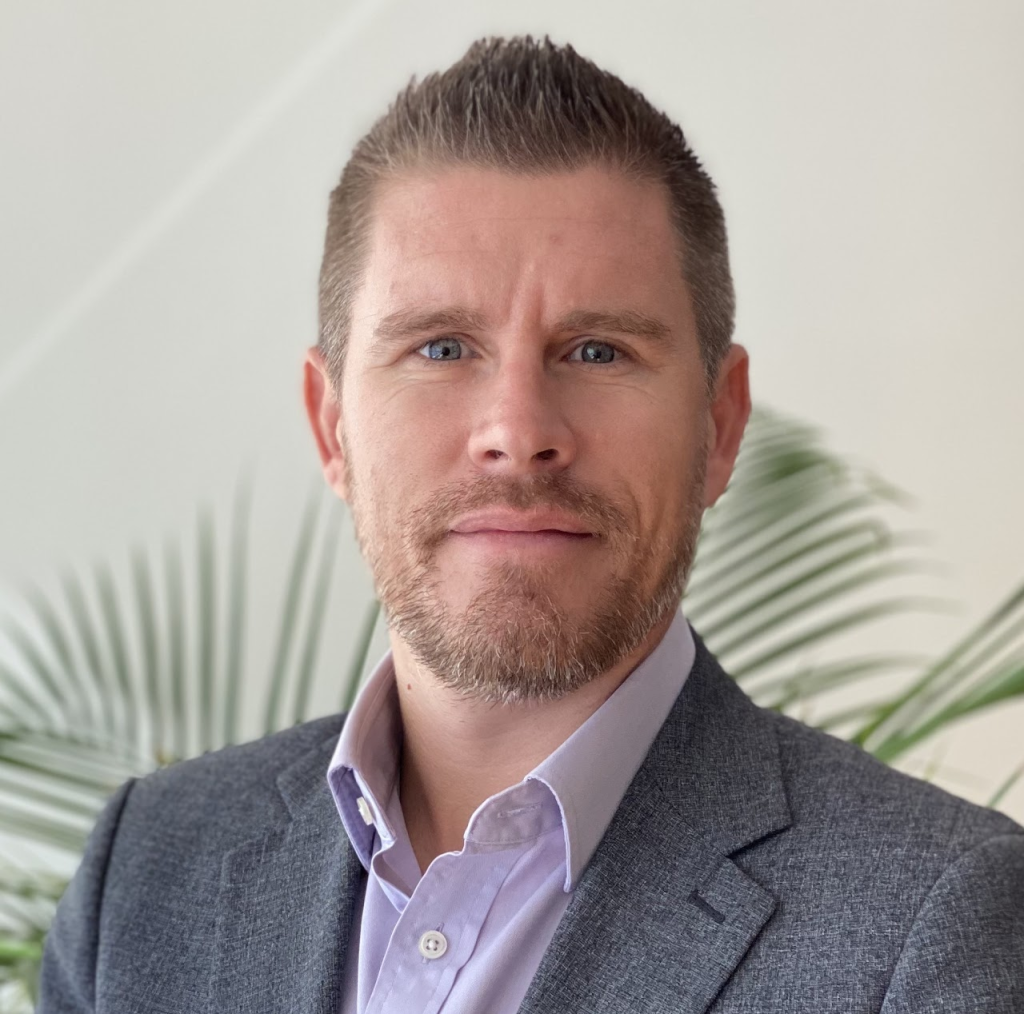
Director of Building Services
UAE
Nicholas is Director of Building Services at AESG and a CIBSE Fellow with 14 years’ Middle East experience leading engineering teams on high-value projects across hospitality, residential, and retail sectors. His portfolio includes major developments such as a 500,000m² hospital, Expo 2020 pavilions, and an iconic museum.
A champion of sustainable design, he has pioneered low-energy solutions like natural ventilation, solar integration, and advanced cooling systems. Nicholas has successfully guided multiple projects to LEED Gold and Platinum certification, delivering significant energy savings through rigorously assessed, tailored engineering.

Senior Associate
UAE
Rohan is a Digital Delivery Senior Associate at AESG, where he leads the design and implementation of the firm’s proprietary commissioning and handover platform, DATA+. With a Master’s in Mechanical Engineering from The Ohio State University, he brings over nine years of experience in the construction industry.
He has successfully delivered high-profile projects across the MENA region, specializing in the digital handover of O&Ms, Asset Information Models, and Digital Twins through BIM and data standards. Rohan is also a SmartScore Accredited Professional, enabling him to assess and certify smart buildings for enhanced digital infrastructure, sustainability, and user functionality.
For further information relating to specialist consultancy engineering services, feel free to contact us directly via info@aesg.com

ISO 27001:2022
ISO 9001:2015
ISO 14001:2015
ISO 45001:2018
601-608
The offices at Ibn Battuta Gate,
Jebel Ali 1-Village
PO Box 2556
Dubai, United Arab Emirates
305 Mermaid House
2 Puddle Dock
London, EC4V 3DS
United Kingdom
T / +44 (0) 208 037 8762
Haibu Space, Abu Dhabi Mall
1st floor, Office 37
Tourist Club Area
Abu Dhabi, United Arab Emirates
T / +971 (0) 2 201 2527
9391 Wadi Al Thummamah
2444 Al Olaya District
PO Box 12214
Riyadh, Kingdom of Saudi Arabia
T / +966 (0) 112 278 288
111 Somerset Road
#08-10A, 111 Somerset
Singapore 238164
11th Floor, Office 1101
2 Long Street
Cape Town 8000
Western Cape, South Africa
T / +27 (0) 21 137 6444
8 Parramatta Square
49th Floor, Office 117
Parramatta, Sydney
New South Wales 2150
Australia
T / +61 (0) 2 8042 6817
Regus Rialto, West Podium
Level Mezzanine 2 (M2)
525 Collins Street
Melbourne, Victoria 3000
Australia
Regus Egypt, East Lane
1st Floor, Office 130
Plot number B-340
New Cairo 1
Cairo Governorate 4740003
Egypt
Office 37, Haibu Space
1st floor, Abu Dhabi Mall
Tourist Club Area
Abu Dhabi, United Arab Emirates
T / +971 (0) 2 201 2500
9391 Wadi Al Thummamah
2444 Al Olaya District
PO Box 12214
Riyadh, Kingdom of Saudi Arabia
T / +966 (0) 112 278 288
111 Somerset Road
#08-10A, 111 Somerset
Singapore 238164
11th Floor, Office 1101
2 Long Street
Cape Town 8000
Western Cape, South Africa
T / +27 21 137 6444
49th Floor, Office No.117
8 Parramatta Square
Parramatta, Sydney
New South Wales 2150
Australia
T / +61 (0) 2 8042 6817
Regus Rialto, West Podium
Level Mezzanine 2 (M2)
525 Collins Street
Melbourne, Victoria 3000
Australia
Enawalks, 4th Floor, Office 417
Leaders International College Road
2F97+6VJ New Cairo 1
Cairo Governorate 4724242
Egypt
T / +20 15 01692187
Copyright 2026 | AESG | All Rights Reserved
