

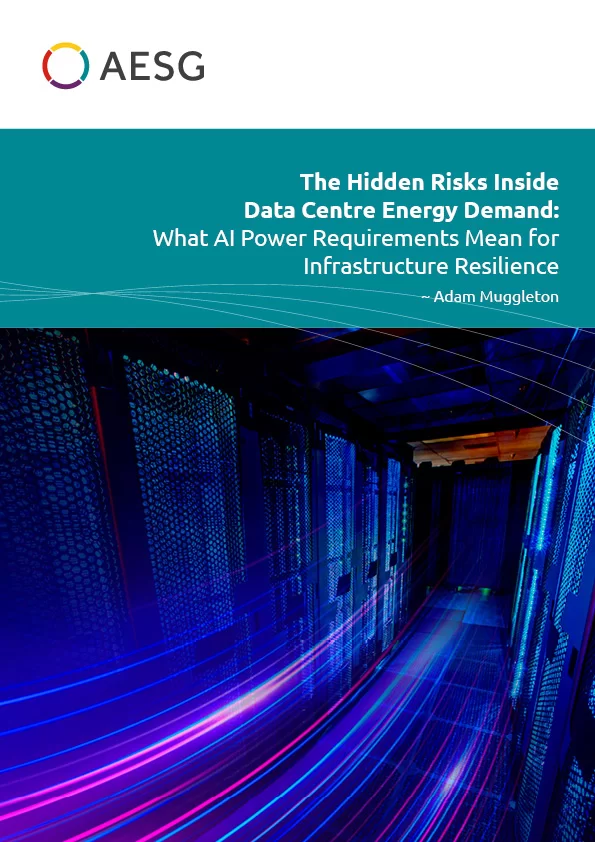

We live in a fragile moment for power systems. A once‑in‑a‑generation surge in energy demand from data centres, driven by AI and digitisation, is colliding with ageing power infrastructure. The result is a growing set of hidden risks to national power infrastructure resilience that policymakers have not yet understood.
Four structural forces are driving power demand in data centres and exposing weaknesses in existing power infrastructure.
Together, these forces do not just increase the number of data centres; they multiply both the volume and intensity of digital workloads that must be powered without interruption.
AI is not another incremental load; it changes the shape of data centre power demand.
For power grid planners, this is not about more megawatts; electrical load is concentrated in specific clusters. This requires large, rapid connections, long‑duration reliability, and tight power quality tolerances. The result is new stresses on the power grid that capacity plans were never designed to handle.

The regional picture shows how data centre energy demand is intersecting with infrastructure limits.
Across these regions, the core bottleneck is grid capacity rather than land or cooling. The IEA warns that without major transmission upgrades, up to 20% of planned data centre projects could face delays of five to ten years.
As AI‑driven data centre energy demand grows, it reshapes the risk profile for countries that electrify and digitise everything.
Given the risks, energy security becomes a central pillar of digital sovereignty. Reshoring data and compute into national borders is only as resilient as the underlying power grid that keeps everything running.
To manage these risks, governments and grid operators must treat data centre and AI power requirements as critical infrastructure questions, not real estate or IT issues.
That implies several shifts:

Chief Technical Officer
AESG
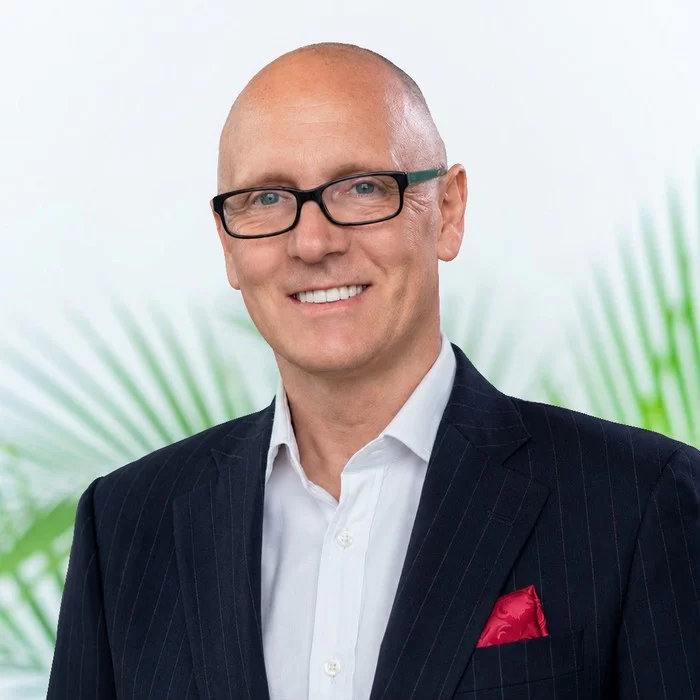
Adam is AESG’s Chief of Technical Officer. He has worked on projects in 21 countries, held leadership positions at several firms and is an advocate for high performance buildings. Adam has a unique skill set derived from experience in property development, design team and project management plus building commissioning. Adam is passionate about promoting the concept of commissioning management as an effective project management tool, to hand over high performance buildings. Adam devises and delivers successful project, leadership and testing strategies that achieve optimum outcomes for all involved and affected.
As well as being an industry philosopher, blogger and podcaster, Adam has contributed to several commissioning codes & guides. He also has unique knowledge and experience leading digital solutions for building commissioning and building information asset management.
For further information relating to specialist consultancy engineering services, feel free to contact us directly via info@aesg.com

ISO 27001:2022
ISO 9001:2015
ISO 14001:2015
ISO 45001:2018
601-608, The offices at Ibn Battuta Gate
Jebel Ali 1-Village
PO Box 2556
Dubai, United Arab Emirates
T / +971 (0) 4 432 6242
305 Mermaid House
2 Puddle Dock
London, EC4V 3DS
United Kingdom
T / +44 (0) 208 037 8762
Haibu Space, Abu Dhabi Mall
1st floor, Office 37
Tourist Club Area
Abu Dhabi, United Arab Emirates
T / +971 (0) 2 201 2527
9391 Wadi Al Thummamah
2444 Al Olaya District
PO Box 12214
Riyadh, Kingdom of Saudi Arabia
T / +966 (0) 112 278 288
111 Somerset Road
#08-10A, 111 Somerset
Singapore 238164
11th Floor, Office 1101
2 Long Street
Cape Town 8000
Western Cape, South Africa
T / +27 (0) 21 137 6444
8 Parramatta Square
49th Floor, Office 117
Parramatta, Sydney
New South Wales 2150
Australia
T / +61 (0) 2 8042 6817
32/F, 367 Collins Street
Melbourne, VIC 3000
Australia
T / +61 (0) 3 8612 7200
Floor 3
Office No. 8, Signature Square Building
Moustafa Kamel Axis
New Cairo 1
Egypt
T / +20 (0) 2 2344 1268
601-608, The offices at Ibn Battuta Gate
Jebel Ali 1-Village
PO Box 2556
Dubai, United Arab Emirates
T / +971 (0) 4 432 6242
305 Mermaid House
2 Puddle Dock
London, EC4V 3DS
United Kingdom
T / +44 (0) 208 037 8762
Haibu Space, Abu Dhabi Mall
1st floor, Office 37
Tourist Club Area
Abu Dhabi, United Arab Emirates
T / +971 (0) 2 201 2527
9391 Wadi Al Thummamah
2444 Al Olaya District
PO Box 12214
Riyadh, Kingdom of Saudi Arabia
T / +966 (0) 112 278 288
111 Somerset Road
#08-10A, 111 Somerset
Singapore 238164
11th Floor, Office 1101
2 Long Street
Cape Town 8000
Western Cape, South Africa
T / +27 (0) 21 137 6444
8 Parramatta Square
49th Floor, Office 117
Parramatta, Sydney
New South Wales 2150
Australia
T / +61 (0) 2 8042 6817
32/F, 367 Collins Street
Melbourne, VIC 3000
Australia
T / +61 (0) 3 8612 7200
Floor 3
Office No. 8, Signature Square Building
Moustafa Kamel Axis
New Cairo 1
Egypt
T / +20 (0) 2 2344 1268
Copyright 2026 | AESG | All Rights Reserved
